


Many people are familiar with the problem of varicose veins in the lower extremities.Over the years, this disease is becoming more and more common, regardless of gender and age.The reason for this may be the lifestyle of office workers, who spend most of their time sitting motionless at the computer, as well as the part of the population who spends their working hours standing - salespeople, surgeons, chefs, waiters, models, and so on.
The symptoms of varicose veins are very diverse.It is rare for multiple patients to have the same symptoms.This venous disease most often occurs with individual characteristics.However, all those suffering from this disease are united by one condition - the symptom of "heavy legs", which includes swelling, heaviness in the legs and pain along the veins, while the veins themselves at the beginning of the disease may be of normal size and not prominent.Later, enlarged veins appear on the legs and are visible to the naked eye.This is already an undeniable sign of varicose veins.
Varicose veins: brief information about the disease
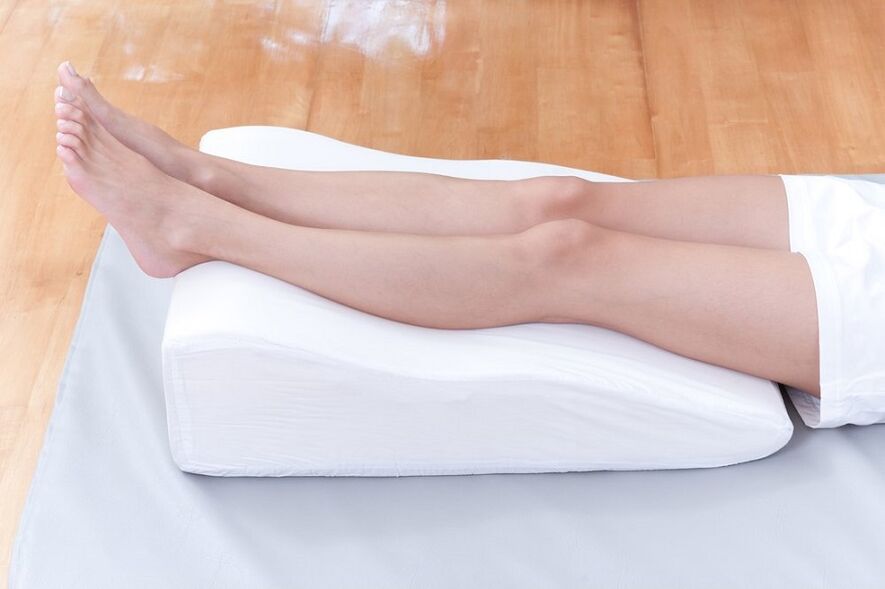
Varicose veins of the lower extremities are a disease that has long been known to doctors;It has its own history full of interesting facts.Doctors in Ancient Egypt were involved in the treatment of varicose veins, as evidenced by excavations, during which signs of varicose veins and traces of treatment for complications of this disease were found in mummies.Greats such as Avicenna, Galen and Hippocrates also mentioned the existence of varicose veins in their works.
The term “varicose veins” itself translated from Latin means “swelling” and reflects the clinical picture of this pathology.
The treatment of varicose veins was also interesting and frightening at the same time.Doctors realized that the dilated and thrombosed vein needed to be removed to avoid complications.However, the technology was still imperfect back then.The operation on the veins was quite traumatic: in order to access the altered vein, extensive incisions were made on the limbs, which ran in the form of strips or spiral cuts along the entire length of the leg.It is not surprising that such patients often died not from the disease itself, but from complications associated with the operation.
A revolution in the treatment of varicose veins of the lower extremities occurred after phlebography began to actively develop.With the introduction of X-rays and ultrasound into medical practice, it became easier to diagnose the degree of vascular damage and operations were carried out in a more targeted manner.The risk of postoperative complications has decreased and the recovery rate has increased significantly.
Over time, less traumatic techniques appeared, since excessively large incisions led to complications in the postoperative period and often disabled the patient (in case of accidental damage to nerves and tendons).This is how today's common “minimally invasive” treatment methods emerged, which do not require the use of a scalpel.
We are luckier than our ancestors, because currently this pathology is being successfully treated.Surgical treatment methods also do not pose a major health risk. Patients who have undergone surgery return to normal life without any problems after a short time.And some procedures allow patients to forget about their problem immediately after leaving the medical facility.As with any illness, the most important thing is to have time to seek medical help at an early stage of the disease's development.
Enlarged veins in the legs are not dangerous, but thrombophlebitis is!
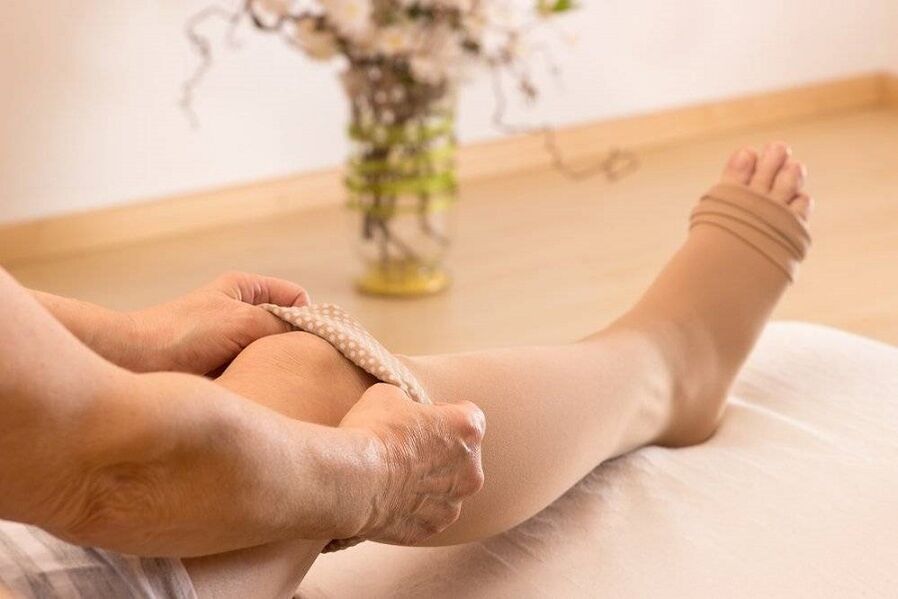
Almost all media tell us about varicose veins and advertise new miracle cures that promise to rid us of the disease in the shortest possible time.Why is this disease dangerous, why are we encouraged to spend a lot of money on expensive ointments and creams to get rid of this disease?
Varicose veins affect our quality of life.Symptoms such as pain and heaviness in the legs, swelling, changes in skin color and the appearance of non-healing ulcers are all very unpleasant and difficult.People suffering from this disease have difficulty leading an active lifestyle, they have to look for jobs with easier working conditions, and so on.But that's not the worst thing.
Varicose veins in the legs are accompanied by the formation of blood clots in the veins.Once broken off, such a blood clot can travel into the pulmonary artery and cause a serious condition called pulmonary embolism.Treatment is very difficult and patients with thromboembolism often do not even have time to go to a medical facility - death can occur suddenly.
Varicose veins of the lower extremities are a disease with serious complications.Self-medication is life-threatening.Only experienced professionals and regular checks protect your health and your life!
Treatment of varicose veins: vein surgery
Enlarged veins in the legs are a reason to see a surgeon.Varicose veins are the field of activity of surgical specialists.Every patient tries to avoid surgical intervention until the last moment, but you should know that varicose veins can be cured, and the complications associated with the disease can only be cured radically.Of course, you shouldn't completely reject conservative therapy, but you shouldn't really rely on it either.Drug treatment works in conjunction with surgical methods.It is difficult to imagine one without the other.Conservative therapy softens the course of the disease, reduces unpleasant symptoms to a minimum, allows for faster recovery after surgery and reduces the risk of postoperative complications.
If there are contraindications to surgery, drug treatment can be used as an independent method.Such treatment only slows down the development of the disease without eliminating the cause.
Vein operations are a common procedure these days.Varicose veins are treated in different ways.The choice of one or another method of intervention is determined by the doctor based on the stage of the disease, medical history and examination results of the patient.
Types of operations:
- Phlebectomy.
- Sclerotherapy.
- Laser coagulation.
In a surgery called phlebectomy, the damaged vein is removed through small incisions in the limb.Vein surgery is performed under general anesthesia.The risk of relapse is low after this treatment method.The operation itself does little harm to the patient's health and recovery is quite quick.Patients usually only spend a few days in the hospital.After the procedure, drug therapy and wearing compression stockings are prescribed.
Sclerotherapy as a minimally invasive method of treating varicose veins has its roots in the distant past.Many doctors have tried to cure this pathology by introducing various chemical compounds into the lumen of dilated veins.Through trial and error, we managed to achieve success in this direction.A drug was found that is still used successfully today.This substance is administered intravenously under ultrasound control.The procedure is painless.Under the influence of the drug, the walls of the damaged vein stick together and then dissolve.The procedure should be carried out by an experienced specialist, since an excessive dose of the drug or its introduction into soft tissues is fraught with serious complications.
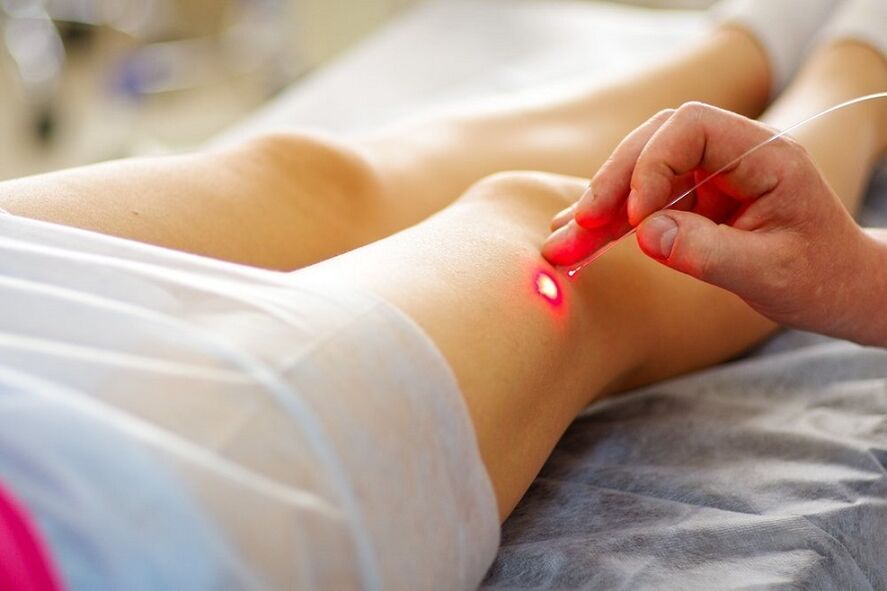
Laser coagulation is a minimally invasive vein operation that is performed without incisions.The procedure is carried out on an outpatient basis and after that the patient immediately returns to his normal lifestyle, adhering to certain recommendations.The essence of the method is that a laser light guide is inserted into the dilated vein under ultrasound control.Under the influence of a laser beam, the walls of the vein are welded, blood flow becomes impossible.Perhaps this is the most effective and safest treatment method of our time.Of course, laser coagulation cannot be performed on everyone without exception.Like any therapy method, it has its indications and contraindications.
The phlebologist is the best friend of patients with varicose veins
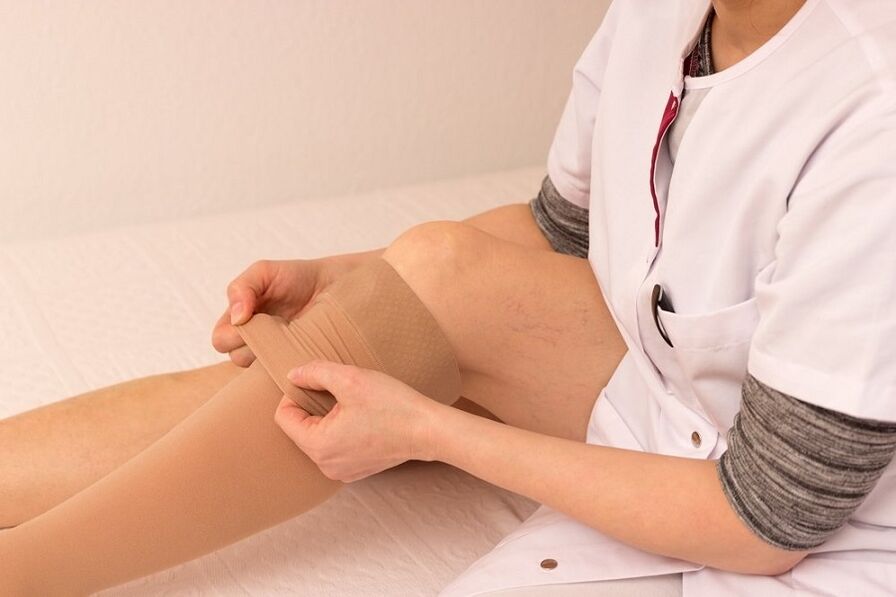
People suffering from varicose veins, as well as people who have a hereditary predisposition to this disease or are at risk, should visit a phlebologist annually to monitor the condition of the veins in their legs.
A phlebologist is a doctor of a narrow specialty who deals with problems of venous vessels.
The doctor will prescribe an ultrasound scan of the veins of the lower extremities, which can show the condition of the venous walls and valves, check the patency of blood vessels, exclude the presence of blood clots and assess the severity of the disease.This information will help prevent the development of varicose veins in the early stages, avoid surgical interventions altogether or eliminate the pathology using a minimally invasive method.The earlier the disease is detected, the more successful the treatment will be.
Don't be afraid to seek help from specialists.Ultrasound examination of the veins is a painless procedure;You just need to be patient as it takes quite a long time.